
Dante Gebel Live
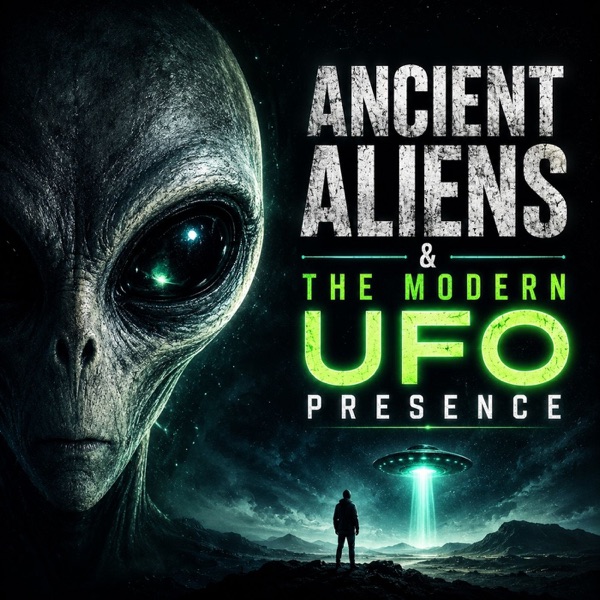
Would people in different centuries give the same strange light the same name? Dr. Irena Scott and TruthSeekah explore how inherited stories influence the way unexplained experiences are described. Scott suggests that an unfamiliar glowing object might be interpreted through the religious or supernatural language available to a witness. A modern observer may reach for the word UFO, while another cultural setting could encourage a different explanation. The conversation is about interpretation and vocabulary; it does not establish that ancient accounts were descriptions of extraterrestrial machines. TruthSeekah brings biblical imagery into the exchange, including clouds and fire, and considers whether some objects could be living phenomena rather than conventional craft. These suggestions reflect the host's spiritual perspective. Scott keeps the underlying question open and does not claim to know that the objects she remembers fit a particular technological or religious model. Her own childhood experiences…
Would people in different centuries give the same strange light the same name? Dr. Irena Scott and TruthSeekah explore how inherited stories influence the way unexplained experiences are described. Scott suggests that an unfamiliar glowing object might be interpreted through the religious or supernatural language available to a witness. A modern observer may reach for the word UFO, while another cultural setting could encourage a different explanation. The conversation is about interpretation and vocabulary; it does not establish that ancient accounts were descriptions of extraterrestrial machines. TruthSeekah brings biblical imagery into the exchange, including clouds and fire, and considers whether some objects could be living phenomena rather than conventional craft. These suggestions reflect the host's spiritual perspective. Scott keeps the underlying question open and does not claim to know that the objects she remembers fit a particular technological or religious model. Her own childhood experiences…
Would people in different centuries give the same strange light the same name? Dr. Irena Scott and TruthSeekah explore how inherited stories influence the way unexplained experiences are described. Scott suggests that an unfamiliar glowing object might be interpreted through the religious or supernatural language available to a witness. A modern observer may reach for the word UFO, while another cultural setting could encourage a different explanation. The conversation is about interpretation and vocabulary; it does not establish that ancient accounts were descriptions of extraterrestrial machines. TruthSeekah brings biblical imagery into the exchange, including clouds and fire, and considers whether some objects could be living phenomena rather than conventional craft. These suggestions reflect the host's spiritual perspective. Scott keeps the underlying question open and does not claim to know that the objects she remembers fit a particular technological or religious model. Her own childhood experiences…
Why do modern UFO conversations so often return to ancient religious imagery? TruthSeekah explores that connection through his own reading of scripture, film, and spiritual experience in this June 2018 solo broadcast. The opening responds to the proposal for a Space Force, but the episode develops into a much wider conversation about how stories of beings from the sky are interpreted. TruthSeekah discusses angels, fiery imagery, and passages he associates with heavenly activity. These are his theological readings. The interview does not establish that ancient texts describe extraterrestrial technology or that their authors intended the modern meanings he proposes. The Book of Enoch becomes an important reference in his discussion of fallen angels and forbidden knowledge. He then compares those themes with the imagery and storytelling of science-fiction films, including Transformers and Star Wars. He also mentions the hero's journey as a way of thinking about characters and personal growth. The episode offers…
Can a pattern in a landscape become the beginning of a much larger story? Donald Ledesma and Terry Linch join TruthSeekah to discuss the formations they call the Cascadia Guides and the ideas behind The Middle. Linch describes finding shapes near Paulina Peak through imagery and later visiting the area. Ledesma recounts traveling from Texas to Oregon with camera equipment and using drone footage to show the formations from above. The guests interpret what they see as figures and directional markers. Their proposed age, purpose, and connection to UFO activity are claims made in the conversation, not archaeological conclusions established by this interview. The discussion links these landscape interpretations with petroglyphs, spiral imagery, and other places the speakers associate with ancient knowledge. They consider whether symbols might encode directions or descriptions of unfamiliar phenomena. TruthSeekah brings religious imagery and biblical interpretation into the exchange, while Linch offers broader…
When a modern encounter is described using ancient religious language, what changes in the story? TruthSeekah and Ark of Destiny Lab explore that question from related but distinct Christian perspectives. This archival interview connects UFO discussion with the ways people read scripture and understand spiritual experience. Ark explains why he evaluates claimed messages through his Christian beliefs, while TruthSeekah questions broad statements that identify all unusual encounters as demonic. Their conversation is about interpretation and belief. It does not establish that biblical passages document extraterrestrial visitors or that modern UFO accounts have a single religious explanation. The host discusses the variety of beings and roles described in religious language, emphasizing that familiar words can conceal important distinctions. Ark returns to the content of a message and the spiritual commitments behind it. These different emphases create a thoughtful point of comparison: one speaker asks whether…
Can ancient stories help explain the language used in modern UFO encounters? Nathaniel Gillis offers his own interpretation of that connection in this extended archival interview. TruthSeekah and Gillis begin with personal experiences before moving into a wide-ranging discussion of biblical passages, spirit traditions, and the origins of demonological ideas. Gillis refers to Genesis, the Nephilim, the Rephaim, and the Apocryphon of John as he develops a theory about entities, identity, and embodiment. The episode presents his readings of those materials. It does not establish that those readings represent scholarly consensus or that ancient texts document extraterrestrial visitation. One recurring idea is the distinction between a consciousness and the form through which it appears. Gillis uses that distinction to compare spirit narratives with descriptions of alien beings. He argues that some apparently different accounts may belong to a shared pattern, while TruthSeekah asks how those proposals relate to…