Mentored.com.au|280 - UFC Champ Alex Volkanovski on Retirement, His Next Fight & Life Outside the Ring
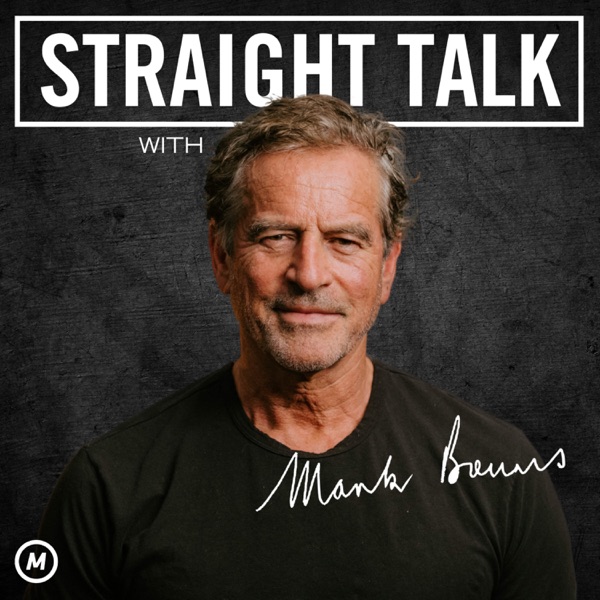
Too often, we avoid real conversations. Entrepreneur Mark Bouris sits down and gets to know people, understands what makes them tick, and shares the great and unusual things they’re doing. There’s no sugar coating. There’s no hiding behind fancy marketing slogans. Just an honest conversation.
00:00
00:00
Episode's summary
The speaker reflects on his journey from the 'tunnel vision' of professional fighting to building a diverse personal brand and business empire. He discusses the importance of planning for life after sports, detailing his ventures including the Engage brand, 'Cooking with Hulk', and the development of Combat protein bars, all while emphasizing disciplined financial management.
The conversation also delves into his technical evolution through coaching, his highly scientific approach to fight nutrition, and his strategic preparation for upcoming bouts. He shares a philosophy of 'accepting the uncomfortable' and highlights how his primary motivation remains providing for his family while navigating the professional obligations of the UFC.
Chapters
Click on a chapter to go directly to that moment
Highlights
I think even the teams are having now, the clubs, even the, say, rugby league. Rugby league is going to talk about it. I think everyone's pretty vocal about what are you doing outside of your sport because it was a big problem for athletes to – just be athletes and then not knowing what they're doing after once the sport was done.
00:01:04 · The speaker highlights the growing importance of athletes planning for life after their professional sports careers end.
if you want to be successful and you want to be at the top, it's going to be you just doing more than everyone else.
00:13:10 · The speaker emphasizes that a hard-working, blue-collar mindset is the key to success in both combat sports and business.
I would do things instinctively, and it just comes very natural to me, but I wouldn't even know I'm doing it. So I'll see someone doing it, and I'll know they're doing it wrong, and then I'll, oh, no, no, you need your hip here and this, and I'll explain the mechanics of it.
00:16:15 · The speaker explains how teaching others has forced him to articulate and understand the underlying mechanics of techniques he previously performed by instinct.
Why try and perfect 50 things when 40 of them are going to be useless to you?
00:38:21 · The speaker emphasizes the importance of targeted training over broad, inefficient preparation.
I just want to be successful in my family and that's it. You know, I want to be able to provide.
00:47:39 · The speaker clarifies that his main motivation for fighting is not legacy, but the ability to support his wife and four daughters.
The speaker reflects on his journey from the 'tunnel vision' of professional fighting to building a diverse personal brand and business empire. He discusses the importance of planning for life after sports, detailing his ventures including the Engage brand, 'Cooking with Hulk', and the development of Combat protein bars, all while emphasizing disciplined financial management.
The conversation also delves into his technical evolution through coaching, his highly scientific approach to fight nutrition, and his strategic preparation for upcoming bouts. He shares a philosophy of 'accepting the uncomfortable' and highlights how his primary motivation remains providing for his family while navigating the professional obligations of the UFC.
Published17 Sep 2026
Duration1:00:06
Episodes
280-
UFC Champ Alex Volkanovski on Retirement, His Next Fight & Life Outside the Ring
Listened
The speaker reflects on his journey from the 'tunnel vision' of professional fighting to building a diverse personal brand and business empire. He discusses the importance of planning for life after sports, detailing his ventures including the Engage brand, 'Cooking with Hulk', and the development of Combat protein bars, all while emphasizing disciplined financial management.
The conversation also delves into his technical evolution through coaching, his highly scientific approach to fight nutrition, and his strategic preparation for upcoming bouts. He shares a philosophy of 'accepting the uncomfortable' and highlights how his primary motivation remains providing for his family while navigating the professional obligations of the UFC.
17 Sep 2026
279-
Johnathan Thurston "I was going down the wrong path": The Decision That Changed My Life
Listened
In this episode, Jonathan Thurston reflects on his journey from a competitive upbringing in Brisbane to becoming a rugby league legend. He discusses the pivotal mental shifts that defined his career, his reliance on physical fitness to manage high-pressure situations, and his analytical approach to manipulating defensive lines alongside icons like Cameron Smith.
The conversation also explores the broader impact of his life off the field, including his respect for coaching legends like Craig Bellamy and the profound social impact of the Jonathan Thurston Academy. Thurston details how his academy's early intervention programs work to reduce youth crime and build self-efficacy in young people through life skills and mentorship.
13 Sep 2026
278-
The Atlassian Story: The Rise of the Tech Bros & the Ultimate Broken Partnership
Listened
Authors John Stence Holder and Perry Williams join the hosts to discuss their book 'Tech Bros', tracing the rise of Atlassian from a university project to a global software giant. The episode explores the diverging business approaches and personalities of co-founders Mike Cannon-Brooks and Scott Farquhar, detailing how their immense wealth accumulation led to significant personal influence and internal cultural shifts.
The conversation further delves into the complexities of extreme success, including real estate disputes in Point Piper, controversies surrounding private jet usage, and the human vulnerabilities that arise when managing unprecedented liquid wealth. The authors reflect on the broader themes of philanthropy, political leanings, and the unforeseen challenges inherent in navigating life at the pinnacle of the tech industry.
09 Sep 2026
277-
James Tedesco: The Mindset that made him an NRL Great & the life he's building after footy
Listened
James Tedesco discusses his professional journey, from his transition from the West Tigers to the Sydney Roosters driven by a desire for premiership success, to the mental and physical rigors of playing in State of Origin. He reflects on the importance of leadership dynamics, maintaining presence through communication, and managing the intense pressure of elite competition.
The conversation also explores Tedesco's personal evolution, including how fatherhood has shifted his priorities toward family and his commitment to excellence in all endeavors. He shares insights into his disciplined preparation routines, his defensive responsibilities as a fullback, and his 'all in' mentality regarding both rugby league and his future involvement in his family's business.
02 Sep 2026
276-
Punters Politics' Konrad Benjamin: "Politicians Fear Lobbyists More Than They Fear Us"
Listened
The host interviews Benjamin, a former economics teacher, exploring how economic theory and psychological incentives shape political reality. The discussion delves into the Australian political landscape, examining how the 'revolving door' between government and corporate lobbying, alongside media ownership, undermines democratic accountability and favors corporate interests.
The episode further analyzes the rise of monopolies in sectors like housing and groceries, arguing that a lack of true competition stifles innovation and drives up costs. The speakers conclude by discussing the shifting landscape of voter behavior, suggesting that the decline of traditional party tribalism may lead to a significant political reckoning for the current establishment.
30 Aug 2026
275-
The $1.6 Billion Founder: The Slow Decline of Australia Nobody Wants to Talk About & How We Win!
Listened
Charlie Gearside discusses his entrepreneurial journey, from early photo manipulation ventures to co-founding Eucalyptus. He outlines the strategic thesis of bringing telehealth convenience to Australia by removing friction in healthcare delivery and building a 'house of brands' approach.
The conversation explores the evolution of telehealth, the challenges of regulatory resistance, and the decline of risk-taking in Australia due to high debt and economic hurdles. The episode concludes with an overview of 'Build Australia,' a non-profit media movement designed to counter doomerism by sharing optimistic stories of Australian innovation.
26 Aug 2026
274-
F1 Legend Mark Webber: The Crash That Nearly Killed Me, Oscar Piastri, & rival Sebastian Vettel
Listened
Mark Webber reflects on his journey from a childhood in Queanbeyan to the pinnacle of Formula One. He details his early racing roots, the strategic guidance of his father, and the pivotal move to Europe to test himself against international competition. The episode explores the mental and physical evolution required for elite performance, moving from raw aggression to a disciplined, precise approach.
The conversation also covers the high-stakes realities of professional racing, including a life-threatening accident in France and the intense pressure of the Monaco Grand Prix. Webber discusses the importance of accountability, the influence of mentors like Dietrich Mateschitz, and the complexities of team dynamics, ultimately sharing his perspectives on life after racing, the value of discipline, and finding true success through longevity.
23 Aug 2026
273-
NRL Boss Peter V’landys on the Historic $5.3B Broadcast Deal, PNG & the Future of Rugby League
Listened
Peter Volandis discusses his transition to Executive Chairman of the NRL, detailing a strategy centered on prioritizing the fan experience through rule changes like 'six again' and the captain's challenge. He outlines the NRL's financial evolution, from managing extreme vulnerability during COVID to building a robust asset base through hotel investments and diversifying revenue streams via initiatives like the PNG Chiefs expansion.
The conversation also explores the strategic growth of rugby league, including international expansion in Las Vegas and the rapid rise of the NRLW. The episode concludes with a personal look at Volandis's approach to health, focusing on the importance of sleep, nutrition, and maintaining muscle mass for long-term cognitive function.
19 Aug 2026
272-
Michael Cheika on the Sydney Roosters, Building Winners & Coaching Culture (round 2)
Listened
Michael Jagger discusses the importance of organizational alignment and leadership stability, drawing from his experiences with the Sydney Roosters and managing high-pressure crises at Rugby Australia. He explores the complexities of coaching, specifically the balance between a duty of care for players and the primary objective of winning.
The episode also delves into mental performance, distinguishing between toughness and hardness in rugby, and the necessity of leadership through direction. Jagger reflects on his coaching evolution—from accidental beginnings to embracing modern technology and adapting his communication style to effectively mentor younger generations.
17 Aug 2026
271-
Nikki Osborne (Bush Barbie): The Aussie Comedian who broke the internet!
Listened
Comedian Nikki Osborne discusses the international controversy surrounding her interview with Australian Prime Minister Anthony Albanese, explaining how she utilizes her 'Bush Barbie' persona to navigate media pressure and corporate responsibility. She reflects on the strategic use of this alter ego to connect with audiences through nostalgia while protecting her personal identity from being 'cancelled.'
The conversation also explores the creative mechanics behind her comedy production, including research methods used to surprise guests and her professional journey from drama school to stand-up success. Osborne concludes by discussing the evolution of the Bushy brand, her comedic influences like Barry Humphries, and future narrative projects for the character.
12 Aug 2026
270-
David Pocock on Life before politics, gas, gambling and taking on the major parties
Listened
David Pocock shares his journey from a childhood shaped by political instability in Zimbabwe to a professional rugby career and eventually into the Australian Senate. He reflects on how the discipline of sport and the trauma of displacement prepared him for the challenges of independent politics, where he seeks to provide a check on party power.
The discussion explores the complexities of the Australian political system, focusing on the tension between party loyalty and individual representation. Senator Pocock addresses critical issues including the impact of gambling advertising, the need for gas export taxes, regulatory burdens on small businesses, and the importance of long-term legislative thinking to address national challenges like housing and economic stability.
09 Aug 2026
269-
Ex-Army Soldier & Defence Investor Steve Baxter on how War has changed forever
Listened
Steve Baxter discusses his journey from regional Queensland to establishing a defense investment fund focused on scaling Australian startups into the US market. The episode explores how modern warfare, particularly in Ukraine, is driving an intense innovation cycle characterized by 'neo primes,' drone technology, and decentralized procurement marketplaces.
The conversation further examines the technological arms race involving counter-drone systems, the complexities of navigating US taxation and supply chain sovereignty, and the broader geopolitical implications of energy shifts. Ultimately, Baxter highlights the strategic necessity of defense investment as a means of deterrence in an increasingly volatile global landscape.
02 Aug 2026
268-
Gerard Rennick on How Australia’s Economy Is Broken and How We Fix It
Listened
Gerard Rennick shares how his upbringing in a farming family and early accounting career, combined with extensive global travels, shaped a 'people first' worldview. He critiques the rise of political polarization driven by social media algorithms, the dangers of belligerent diplomacy, and the lack of hands-on experience among modern professional managers.
The discussion explores specific economic proposals from the 'People First' party, including tax threshold increases, making superannuation voluntary, and creating a development bank to fund infrastructure. Rennick argues for a return to fundamental values like family and community while addressing the challenges of bureaucracy, housing inflation, and the need for domestic manufacturing.
26 Jul 2026
267-
Dr Nick Coatsworth: COVID Mistakes, Big Government & The Future of Australia
Listened
Dr. Nick Coatsworth discusses his transition from humanitarian work with Doctors Without Borders in the Congo, Chad, and Sudan to a prominent role in Australia's COVID-19 response. The conversation explores the psychological weight of pandemic decision-making, the rise of 'safetyism,' and the use of predictive modeling to justify lockdowns.
The episode further examines Australian economic policy, addressing risks in tax structural changes and imbalances within the care economy. The speakers conclude by discussing declining living standards, concerns over infrastructure corruption in Victoria, and the current lack of a cohesive national vision in Australian politics.
22 Jul 2026
266-
Communication Expert: The 4 Psychological Drivers Behind All Self-Doubt
Listened
19 Jul 2026
265-
Exercise Expert: Dr Stacy Sims On The Best Way to Train, Eat & Age Well (Project 100)
Listened
15 Jul 2026
264-
Jim Jefferies on Albo's Joke Scandal, His Nephew's Tragic Death & America's Madness
Listened
12 Jul 2026
263-
Property Expert: Why Australian House Prices Are Falling Faster Than Expected
Listened
08 Jul 2026
262-
"It was a Disaster" Chris Joye on the Budget, Australia’s Property Correction, Trump & Bitcoin
Listened
05 Jul 2026
261-
Socceroos Legend Mark Schwarzer on World Cup 2026, Egypt & the Italy Heartbreak That Still Stings
Listened
02 Jul 2026
260-
Dave Hughes: "You've lied to us all" Comedy Legend unloads on the budget & the capital gains tax & why he can't keep quiet
Listened
28 Jun 2026
259-
Shark Attack Hero Shares the Story of the Terrifying Coogee Rescue
Listened
25 Jun 2026
258-
Alan Kohler: "This Is Who Controls the Economy", Elon Musk & the Signals of an Economic Crisis
Listened
21 Jun 2026
257-
Pro Boxer Liam Paro on Fighting for a World Title, Redemption & Dealing with Adversity
Listened
17 Jun 2026
256-
Michael Chammas: Building the NRL's PNG Team, Leaving Journalism & Taking Opportunities
Listened
10 Jun 2026
255-
Kellie Sloane: NSW Opposition Leader's Pitch to New South Wales
Listened
03 Jun 2026
254-
Business Expert on the Budget, the Housing Crisis, and Intergenerational Inequality
Listened
27 May 2026
253-
Brain Expert: Why Dementia Is Australia's Number One Killer (Project 100)
Listened
24 May 2026
252-
The Federal Budget Reality Check with Economist Leith van Onselen
Listened
20 May 2026
251-
Cooper Cronk on Craig Bellamy, NRL State Of Origin & the mindset to be great
Listened
18 May 2026
250-
2026 Federal Budget Reaction with Economist Chris Richardson
Listened
13 May 2026
249-
Ellyse Perry: Australia's Greatest Dual-Sport Athlete on What Two Decades of Elite Sport Really Takes
Listened
10 May 2026
248-
Politics Expert on the the Rise of One Nation & Gen Z’s Voting Shift
Listened
07 May 2026
247-
Australia's First Astronaut: The Artemis Program, Mars Mission and Elon Musk.
Listened
05 May 2026
246-
How Did We Get Here? Australia’s Economic Reality Explained by Chris Joye
Listened
27 Apr 2026
245-
SAS Veteran on Ben Roberts-Smith, ANZAC Day & the Truth About Afghanistan
Listened
22 Apr 2026
244-
Ben Roberts-Smith Arrest: Law Expert Reveals What’s Really Going On
Listened
14 Apr 2026
243-
Hamish Blake on What Matters Most in life, Kyle & Jackie O, & working with Andy Lee
Listened
08 Apr 2026
242-
Bob Katter on Taking Down Prime Ministers, 50 years in politics & Australia Selling Itself Out
Listened
31 Mar 2026
241-
CIA Whistleblower Speaks Out "This is how the US & Iran war will end"
Listened
25 Mar 2026
240-
Michael Clarke: Australia’s Most Polarising Cricket Captain on Controversies, Loss & Leadership
Listened
18 Mar 2026
239-
SAS Commander Breaks Down the WW3 Threat & Australia’s Role in a Global Conflict
Listened
11 Mar 2026
238-
AI Safety Expert: Warfare Will Never Be The Same & Which Jobs Will Go Next
Listened
03 Mar 2026
237-
The problem with Australian politics! Craig Laundy on Energy, AI and Australia’s Next Crisis
Listened
02 Mar 2026
236-
#230: Braith Anasta: Footy, Fatherhood & The Pain That Shaped Me
Listened
25 Feb 2026
235-
#229 Elvis Smylie: Australia’s Next Golf Superstar on Winning Big & Thinking Bigger
Listened
18 Feb 2026
234-
#228 Chris Kohler: "Australia’s Economy Is Controlled By A Few Giants!" THIS Thing Making You Poorer.
Listened
11 Feb 2026
233-
#227 Anthony Mundine: The Most Controversial Personality in Australian Sports History
Listened
04 Feb 2026
232-
#226: The Business of the UFC | Inside the Fight Game with Tim Simpson
Listened
29 Jan 2026
231-
#225 Big Chocky: Australia’s New Controversial Voice on Why Politics Is Failing Us








![[KBS] 조정현의 굿모닝 팝스 cover](https://static.mytuner.mobi/media/podcasts/127/kbs-jojeonghyeonyi-gusmoning-pabseu.jpg)